
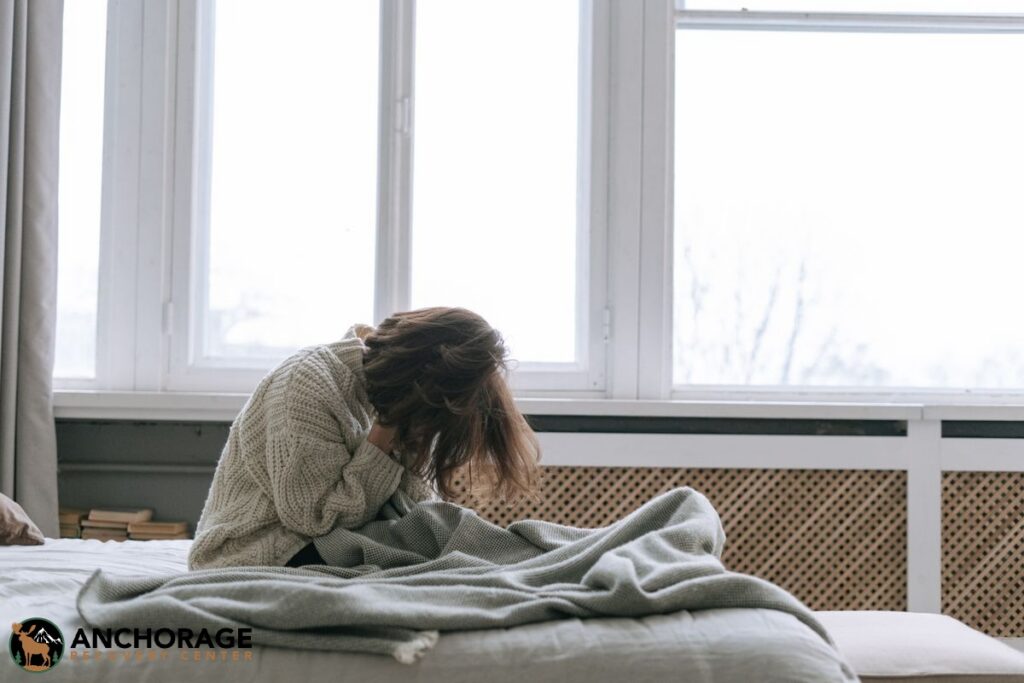
Seasonal Affective Disorder in Alaska: Winter, Mental Health, and Substance Use
Key points:
- Reduced daylight can affect sleep, energy, mood, and routines, but winter struggles deserve a real assessment.
- Alcohol or drugs may seem to offer relief while worsening sleep, judgment, isolation, and depression.
- A winter plan should combine daily structure, social contact, clinical care, and urgent support when safety changes.
An Alaska winter can change more than the view outside. Long darkness, severe weather, isolation, and disrupted travel can affect sleep and mood. For some people, symptoms return in a seasonal pattern. Concerns about seasonal affective disorder in Alaska deserve attention when sadness, low energy, oversleeping, or loss of interest lasts for weeks.
Substance use can become a coping tool during the same period. That relief often fades quickly and may leave mood or sleep worse. If alcohol or drugs feel harder to control, a private admissions conversation can help you understand care options.
Your path to recovery is waiting
and we’re here to help.
Our admissions specialists are available 24/7 to listen to your story and get you started with next steps.
Why call us?
Families noticing Alaska winter depression addiction should focus on patterns, safety, and support rather than blame. Winter symptoms can build slowly, so compare how you feel. Write down sleep, mood, cravings, and substance use.
This record gives a clinician useful context. It also helps you notice a change before work, relationships, or personal safety begin to suffer.
Understanding Seasonal Affective Disorder in Alaska Concerns
Seasonal affective disorder, or SAD, is depression with a recurring seasonal pattern. The National Institute of Mental Health explains that symptoms often last several months. It is more than disliking cold weather.
Symptoms may include low mood, reduced interest, fatigue, sleep changes, appetite changes, poor concentration, or hopelessness. Seek an assessment. Other medical or mental health conditions can look similar.
When Winter Blues Need More Attention
Dark season mental health Alaska concerns become more urgent when work, parenting, hygiene, eating, or safety starts to change.
Watch for:
- Pulling away from people and usual activities
- Sleeping much more or struggling to get up
- Drinking or using drugs earlier in the day
- Missing work, school, or medical visits
- Talking about hopelessness or being a burden
- Taking unsafe risks while intoxicated
Seek emergency help for suicidal thoughts, overdose, severe withdrawal, or immediate danger.
Why Winter Can Disrupt Recovery Routines
The CDC overview of behavioral health connects mental health, distress, and substance use. These concerns can influence each other. Why addiction increases in winter has no single answer, but reduced structure and isolation can raise risk for some people.
Alcohol and Drugs Can Deepen the Cycle
Alcohol may make you sleepy at first, yet it can disturb sleep later. Stimulants may briefly lift energy and then worsen anxiety or exhaustion. Opioids carry overdose risk, especially when tolerance changes or when substances contain unexpected ingredients.
With seasonal depression and substance abuse, the cycle may look like this:
- Low energy leads to missed routines
- Isolation increases cravings
- Substance use offers short relief
- Sleep and mood become less stable
- Shame makes reaching out harder
Build a Winter Routine That Can Survive Bad Weather
Build a small routine that works even when travel stops or motivation falls. Choose a wake time, first meal, medication time, and one daily contact. Put them on paper.
If you already receive outpatient treatment, ask about remote options and cancellation plans. Know how to reach your counselor when weather interrupts an appointment.
Use Light, Movement, and Sleep Carefully
Morning light exposure may help some people with winter-pattern SAD. Light therapy is not right for everyone, especially when certain eye conditions, medicines, or bipolar symptoms are present. Ask a qualified professional before starting a light box.
Try practical supports:
- Open curtains soon after waking
- Spend safe time outside during daylight
- Move your body at a consistent time
- Keep naps short if they disrupt nighttime sleep
- Limit alcohol used as a sleep aid
- Discuss persistent symptoms with a clinician
Small habits work best when they happen often.
Notice Changes in Substance Use Early
Do not wait for a dramatic event. Track when, why, and how much you use. Notice whether you hide use, mix substances, need more for the same effect, or feel sick when stopping. Ask someone you trust what changes they see.
If stopping could cause withdrawal, do not attempt it alone. Medical withdrawal management can support safety and comfort. Alaska mental health winter risk can rise when depression and withdrawal happen together.
Make the Home Safer
Safety planning is practical. If you feel unstable, ask a trusted person to reduce access to alcohol, drugs, or weapons. Seasonal depression and substance abuse can raise risk quickly. Keep naloxone available when opioid exposure is possible.
A winter safety plan can list:
- Early warning signs you recognize
- Two people you can contact
- A clinic and crisis number
- Transportation options during storms
- Steps for overdose or suicidal thoughts
- A safe place to go when home feels risky
Share the plan before you need it.
Treat Mood and Substance Use Together
When symptoms overlap, treating only one concern can leave the other active. An integrated dual diagnosis program can assess both. This can strengthen a seasonal affective disorder Alaska care plan.
This information helps distinguish Alaska winter depression addiction from other conditions that need a different response.
What Treatment May Include
Care should match your safety and functioning. Some people need scheduled outpatient sessions. Others need more daily structure or a residential setting.
Options may include:
- Individual and group therapy
- Medication evaluation and monitoring
- Support for sleep and daily routines
- Relapse prevention planning
- Family sessions with your consent
A partial hospitalization program when intensive daytime care fits
Ask how progress is reviewed.
Help a Loved One Without Turning Into a Monitor
Choose a calm time to talk. Describe specific changes. You might say, “You have missed three shifts, and you are drinking most mornings. I am worried.” Avoid arguing about labels or trying to prove a diagnosis.
Ask one direct question: “Would you talk with someone today?” Offer two choices, such as calling a clinic or reviewing inpatient treatment. Understanding why addiction increases in winter can guide the talk. Dark season mental health support in Alaska works better when the person keeps some control.
Set Boundaries That Protect Everyone
Call emergency services when danger is immediate.
Helpful boundaries sound like:
- “I can drive you to an assessment.”
- “I will not give you cash for alcohol.”
- “You cannot stay here while using around the children.”
- “I will call for help if you threaten yourself.”
Say the boundary clearly and follow it consistently.
Plan for the Highest-Risk Parts of Winter
Look back at past years. Identify months, holidays, anniversaries, or work cycles when symptoms worsen. Schedule support before that period. Refill medication early and plan transportation around predictable weather.
Review the center’s first day of treatment if residential care may become necessary. A prepared bag and benefits check can reduce delay. Seasonal affective disorder Alaska planning works best before energy drops.
Create a Spring Transition Too
Use this spring checklist:
- Review mood and substance patterns with a clinician
- Keep helpful sleep and connection habits
- Adjust light treatment only with guidance
- Update relapse and crisis plans
- Continue approved counseling or step-down care
Frequently Asked Questions
Is seasonal affective disorder just the winter blues?
No. SAD is depression with a recurring seasonal pattern that affects daily functioning. A clinician should assess symptoms, duration, medical causes, substance use, and any history of bipolar symptoms before recommending treatment.
Can alcohol make seasonal depression worse?
Yes. Alcohol can worsen mood, judgment, and sleep quality. It may also increase isolation or unsafe behavior. If cutting back causes shaking, confusion, seizures, or severe symptoms, seek urgent medical help.
Does everyone in Alaska develop SAD?
No. Many people adjust to winter without a depressive disorder. Risk and symptoms differ. Persistent mood, sleep, appetite, energy, or safety changes deserve assessment, especially when they return during the same season.
Can a light box treat winter depression?
Light therapy may help some people, but timing, brightness, and health history matter. Ask a clinician first, especially if you have eye concerns, take light-sensitive medicines, or have experienced mania.
When should substance use lead to professional help?
Seek help when use becomes hard to control, causes withdrawal, affects responsibilities, increases danger, or serves as your main way to manage mood. Emergency symptoms require 911 or immediate medical care.
Turn the Long Night Into a Clear Next Step
Winter can narrow your world, but it does not need to decide your next season. A practical plan for seasonal affective disorder in Alaska can connect mood care, substance use support, sleep, safety, and daily structure.
Anchorage Recovery Center helps adults address substance use and co-occurring mental health needs through several levels of care. The team can explain assessment, insurance verification, family involvement, and what treatment may look like.
Contact us or call (877) 413-0130 to discuss Alaska mental health winter risk and available support. Visit 5000 Taku Dr, Anchorage, AK 99508. You can ask for help before the darkest day becomes the hardest one.
Leave a reply